• Happy Wedding, Marilyn Monroe & Joe DiMaggio (1954)! 💋⚾💘

T-Satellite

Seems the cell phone may replace the Garmins, Spots, Zoleos, Etc.
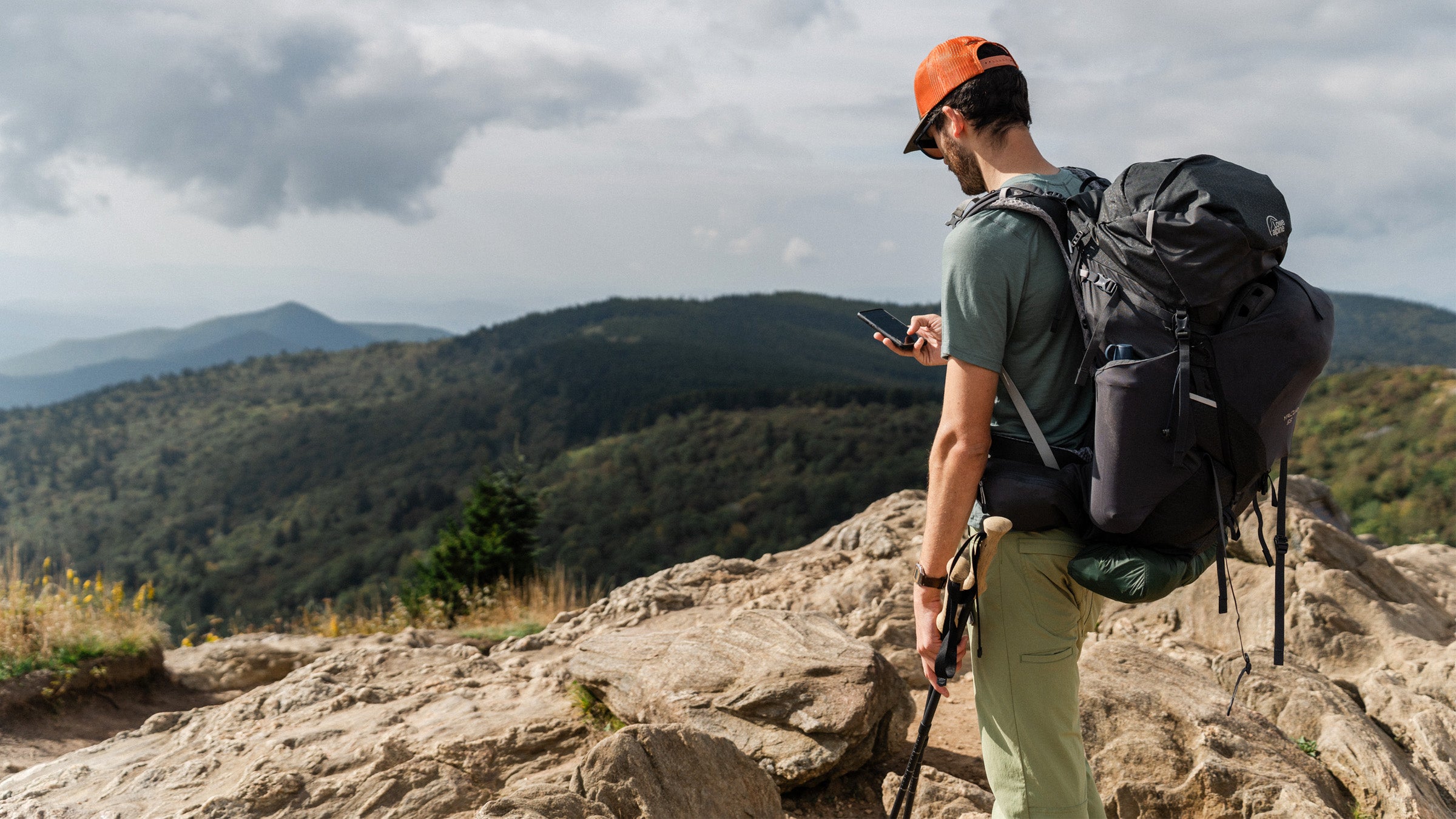

I like the idea of sending photos.
Technology is changing so fast.

In the comments section it is pointed out that if the phone is being used for a variety of other tasks, it is more likely to be lost than a dedicated sat device kept in a secure location.

Also, the batteries on a cell phone are going to be exhausted more frequently.
 
What I like about a cell phone is it's always with me so I don't have to remember to pack it. I camp, hike, canoe, dirt bike, ATV, etc. All things where some type of satellite communication in an emergency would be helpful. My gear for those various hobbies is stored in different places. With a waterproof, satellite capable phone I wouldn't have to remember to get it from wherever it was stored after the last trip. And now I have a single device to communicate, take pictures, look up information, navigate, entertain myself at camp, and have emergency communications capability that I won't forget because it's always with me. It's true that battery usage could be an issue but the number one battery killer is the screen and I don't look at mine very often so the battery lasts for days. In fact, during most of these activities my phone is powered off. Plus there are lots of portable recharging options.
 
Once a phone manufacturer includes a dedicated no-screen-function-required SOS button, they would probably get my dollars. The current requirement of a functional screen precludes my purchase. Of all the things to break, that big piece of glass is high on the scale.

Edit: No, pressing the power button five times in a row and then a confirming press doesn't count. Dedicated button, dedicated status LED.
 
Also, the batteries on a cell phone are going to be exhausted more frequently.
That's the number one reason I will continue to bring a Garmin inReach device. Plus, it's far more durable and reliable than my "smart" phone. I do like the satellite capability of my phone when I'm traveling through or car camping in areas without coverage.
 
Cost in the future will put a lid on how many will be using their phones. My Garmin subscription is still $12 so not much their for me. Quality of coverage above 60 degrees will.be an issue for a while. Will be looking for reviews of its use out in the bush this year.
 
It's early in terms of this technology but the single device is appealing. My cell phone battery lasts a week or longer so no different, plus all I used my spot now zoleo for is texting my wife, so still need cell phone.
 
It's early in terms of this technology but the single device is appealing.
For me, the single device is not appealing, I don't want all my eggs in one basket.

To me, there are many benefits of a Garmin over a cell phone, such as it is a much more ruggedly built device. And the Garmin is always in my pfd, I don't have to go looking for it.
 
I, too, like the extra durability, and the inReach can operate as a stand-alone without the phone (though I don't think that's the case with the mini models). It's along for emergencies and so my family can track me, not so I can chat but I certainly don't need interweb connectivity when I'm in the field... getting away from all of that is a huge reason why I go. In fact, wifi access in the woods might be enough to make me leave the cell phone at home.
 
During a trip, my phone last several days in airplane mode (even though I take a lot of pictures and videos) in large part because it's not constantly communicating with cell towers in the background, updated push notifications, etc. If you want to "track" your route actively using GPS, my suspicion is that the phone battery might deplete much more quickly than a dedicated GPS unit. Maybe I'm wrong.
 
The idea is exciting. My experience so far has been with the (newer) iPhone's native satellite functionality, and has been hit-or-miss.

I May I was in Canada on a 14 day trip. Part of that was with others who also had iPhones with this capability. Some of us had 100% of messages go through. Two of us had messages start failing partway though. For example, I could text with my wife perfectly for the first 5 days. Then every attempt failed for the remaining 9...but I could text other people some (not all) of the time.

This fall on a shorter trip, it worked for me every time.

So still carrying an inreach until we see consistent results.

Related note: I tether my phone to my PFD. Always hated feeling vulnerable, should my grip let me down while taking photos.
 
During a trip, my phone last several days in airplane mode (even though I take a lot of pictures and videos) in large part because it's not constantly communicating with cell towers in the background, updated push notifications, etc. If you want to "track" your route actively using GPS, my suspicion is that the phone battery might deplete much more quickly than a dedicated GPS unit. Maybe I'm wrong.

Depends on the GPS unit. My old Garmin (GPSmap78s) is good for 8 - 10 days on a pair of Lithium AA's. A few years ago I picked up a Montana version with touch screen and internal battery, super heavy and needed recharging every day or two.

When you go....go BIG (and live stream your trip)

 
Depends on the GPS unit. My old Garmin (GPSmap78s) is good for 8 - 10 days on a pair of Lithium AA's. A few years ago I picked up a Montana version with touch screen and internal battery, super heavy and needed recharging every day or two.

When you go....go BIG (and live stream your trip)

As a current star link subscriber I was given a deal on their totally mobile take anywhere in the world model. But I haven’t tried it yet. Just came a few weeks ago and there was a lot going on.
 
Back
Top Bottom