• Happy Name Change: Longacre Square to Times Square (1904)! 🇳 🇾 ⌚

Risk Management is Sinking Outdoor Ed

Glenn MacGrady

Administrator
Staff member
Joined
Oct 24, 2012
Messages
6,752
Reaction score
13,204
Location
NW Connecticut
We had a discussion of this issue on this site in 2019, but the problem seems to have gotten worse.

*****

In today’s risk-averse culture, well-intentioned efforts to ensure safety are dismantling valuable community traditions and educational experiences.

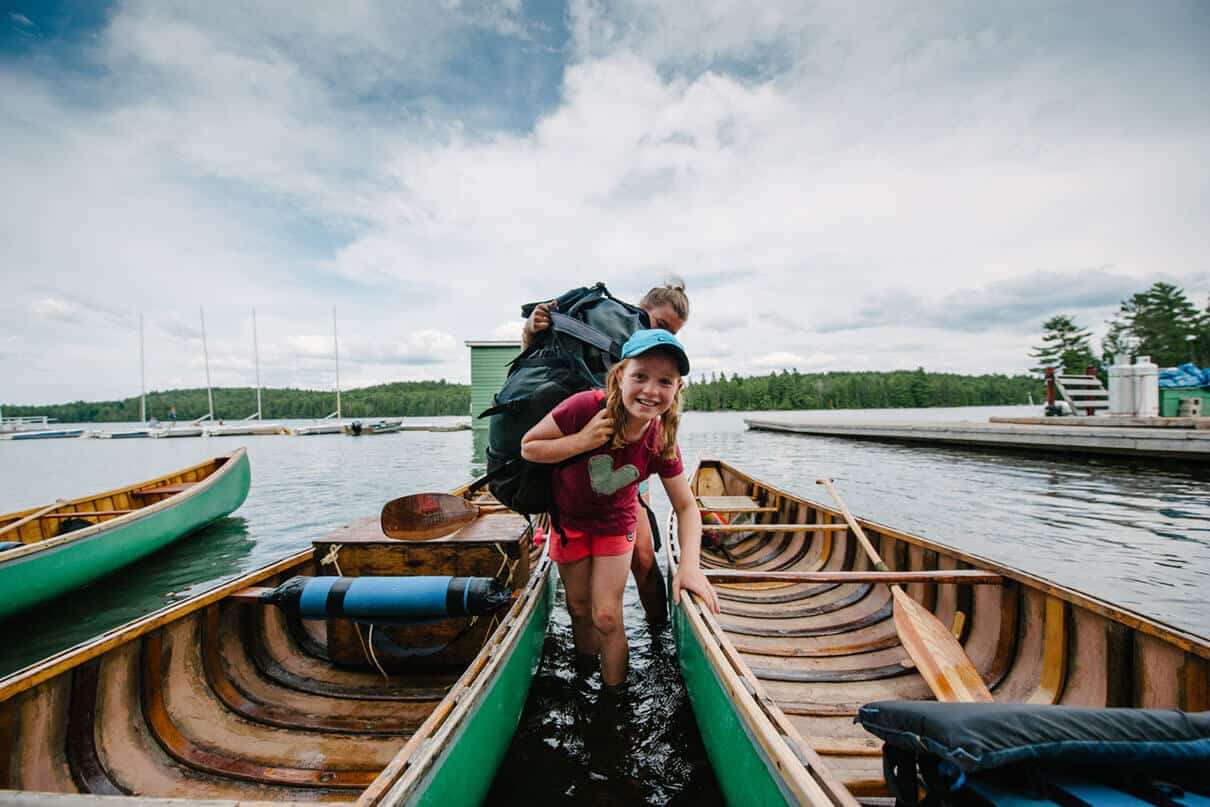
“We need to stand up for paddling and its minimal yet inherent risks,” wrote outdoor educator Bob Henderson in this magazine back in 2018 in an article titled: How Risk Management is Sucking the Life From Kids’ Paddling Trips (paddlingmag.com/0182). “If meeting safety standards is the sole mark of success for a paddling trip [then] the bar is set very low. Should safety be a given? Yes. All trips must be safe. Safety first, but not safety only.”

I’m sorry to say, Bob, it’s only gotten worse.

 
A bit over a year ago, USCA dropped their insurance coverage. The stated reason was cost. They told all event organizers to purchase their own insurance. For instructional events such as the freestyle symposiums, the available policies (at least those that we researched) cover the event organizers and liability for the host sites but they provide no coverage for the individual instructors.
 
For instructional events such as the freestyle symposiums, the available policies (at least those that we researched) cover the event organizers and liability for the host sites but they provide no coverage for the individual instructors.

I know you know this, Marc, since you alerted me to the relevant law the day we scoured New Jersey's remote Pineland wilderness for my canoe kneeling pad, which was in the bed of your truck the whole time. But I've since researched the law and offer a summary here for the information of those who may perform services for or with nonprofit organizations.

To protect uninsured volunteers of (governmental entities or) nonprofit organizations from negligence liability, the federal Congress enacted the Volunteer Protection Act of 1997 ("VPA"). An organization can qualify as a nonprofit under the VPA if it has federal 501(c)(3) tax status, or if it is organized and conducted for public benefit primarily for charitable, civic, educational, religious, welfare, or health purposes.

The VPA provides that a “volunteer” of a nonprofit organization generally will not be liable from harm caused if (1) the volunteer was acting within the scope of the volunteer’s responsibilities; (2) the volunteer was properly licensed, certified, or authorized by the state in which the harm occurred (if such authorization is required); (3) the harm was not caused by willful or criminal misconduct, gross negligence, reckless misconduct, or a conscious flagrant indifference to the rights or safety of the individual harmed by the volunteer; and (4) the harm was not caused by the volunteer operating a motor vehicle, vessel, aircraft, or other vehicle for which the owner or operator is required to possess an operator’s license or maintain insurance.

In short, the VPA protects volunteers against claims of ordinary negligence.

However, a "volunteer" cannot be an employee of the nonprofit organization. The VPA defines a "volunteer" as an individual performing services for a nonprofit organization or governmental entity who does not receive compensation for his or her services other than reasonable reimbursement for expenses actually incurred, OR any other thing of value in lieu of compensation in excess of $500 per year. This includes voluntary service as a director, officer, trustee, or direct service volunteer.

To make sure that service providers, such as canoe instructors, are VPA volunteers and not employees of the nonprofit organization, it should be effective to have each such person sign a contract with the nonprofit stating that he or she is a volunteer, who will receive no compensation such as salary or wages, and who will be reimbursed only for actual and reasonable expenses incurred. The volunteers should then keep records and receipts of all their relevant expenses.

States are permitted to offer greater protections for volunteers than the VPA, but not lesser, and some of them may have done so for certain circumstances.
 
Back
Top Bottom