It never gets any better from the old traditional BSA.
I have been a permanent instructor for the annual BSA National Camping school for 30 years, Adirondack Division. We trained High Adventure trek leader guides (the "Voyageur" program as we called it). It is an annual 8-day training program, for anyone (typically at least of college age) who wants to work at a BSA summer resident camp leading scouts and their adult leaders into the Adirondack wilderness canoeing, climbing, and backpacking on 5-day tripping treks. The syllabus we created and wrote was adopted by BSA National, suitably adjusted for the various camping areas of the country.
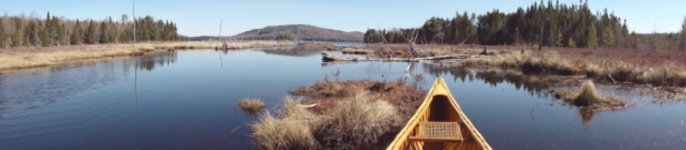
The first half of the training week (usually at nearby dining hall equipped Camp Massawepie) is mainly indoor classroom sessions learning the basics of "soft skills" leadership, handling "people problems", and learning how to make a wilderness trip "fun" and productive for young and teen scouts, within BSA troop camp guidelines. Followed by the second half of the week with each student taking their turn being evaluated and demonstrating learned skills as "leader of the day" while canoeing and backpacking into the Five Ponds Wilderness from Camp Sabattis on Lows Lake. Beginning with canoeing shove off away from the Sabattis beach, This is my favorite part, to see a person with zero canoe experience, listen to me to learn to use all the major power and control strokes from both bow and stern.
Two instructors (although I have done it solo a few times) would go along, introducing interesting instructional problem scenarios for the "leader" to solve. We did lots of role playing, some playing as troublesome scouts, and even as the nasty and/or incompetent scoutmaster, with simulated medical emergencies, to demonstrate and evaluate student skills of how to handle such problem incidents. I especially like to play "Bobby", the worst scout you ever can imagine on an outing, with equally impossible canoeing skills.
So that outdoor fun is all done on Lows, both before and after the ban on float planes (I had an especially unfortunate experience with clients of one of those). I would take my group of 6-8 students paddling to the far end of Lows for a rather extensive bushwhack land navigation training exercise (map and compass only, no GPS allowed), route finding to some of my favored unique landform destinations in the area.
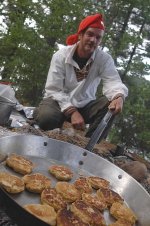
At the end of the week, at a final full class gathering with a 5:00 A.M. paddle for sunrise on an arm of Sabattis lake overview property. ending with a bannock with corn meal mush and baked bean traditional voyageur with fresh fruit breakfast graduation ceremony for all students who passed the course and became certified to be hired as a BSA guide for the summer. Unfortunately, not 100% of the class always passes, in the overall opinion of the instructors (“would we trust this person to safely lead my own child into the wilderness?” as critical graduate criteria).
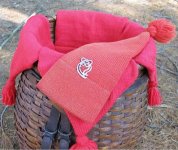
Our Graduate’s training pretty much qualifies them to take and pass the state Outdoor Guide exam to get their state guiding license if desired, which many do, though it is not a formality necessary to guide youth groups in the state. All graduates are awarded a certificate and the cherished custom knitted wool Voyageur toque to be worn on the belt in hot weather. State Forest Rangers all know what that toque means when they see it in a BSA scout led group. I calculated that I was personally responsible for training over 300 BSA guides in my individual trek groups, within touching on the order of all classes totaling over 600 students during my 30-year instruction duration.
So sad to see Sabattis camp go the way of many others, although the guide skills training continues.
Student graduate toques, along with a seasoned instructor's toque with a "trade silver" pin cut in the voyageur distinct logo shape.
Bannock biscuits for the graduation breakfast ceremony on Lows Lake