• Happy Birthday, Senda Berenson (1868-1954)! 👩🏻‍🦰🏀

Portage Pack Liner vs. Dry Bags in Portage Pack

Joined
Nov 9, 2022
Messages
249
Reaction score
521
Location
Columbia, MD
I usually use two 35 liter dry bags in my Cooke Custom Sewing Pioneer pack - I prefer this to a large drybag backpack in that the 35L dry bags are much cheaper and last longer when protected by the portage pack. Additionally it allows for more organization, and a failure doesn't mean EVERYTHING gets wet.
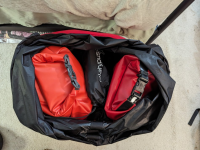
1773931086045.png

This does have drawbacks however - the dry bags take up some space, and they weigh quite a bit. In an effort to reduce weight for an upcoming fly-in trip, I am debating using a more traditional plastic pack liner. Curious if anyone uses a pack liner, and if so, what experiences have you had with rain and/or an unexpected water exit from the canoe? Does a pack liner keep gear dry when submerged? I would think it's not as waterproof as a true dry bag, but I have not used a pack liner since I was a kid (back then I used a contractor trash bag in my Camp Trails hiking backpack!). I suppose properly secured, a pack liner could be as dry as are the dry bags (although obviously not as robust - but not sure that's even necessary when within the portage pack.

Would love to hear thoughts and experiences with pack liners!
 
I've been using pack liners in my canvas packs and never had a failure. I do line my stuff sacks containing my clothes and sleeping bag with lighter weight trash bags for added protection. With my large Duluth pack I use the liner when going tandem as it fits two peoples clothes nicely. When I go solo it makes more sense for me to use the dry bags. When I use the liner I only put clothes, sleeping bags and pads inside and plan not to ever have to open it while underway. Anything else that needs to be kept waterproof, like clothes I might need during the day, is kept in an additional dry bags in a different pack. If you only want to carry one bag you could use a combination of both.

I don't know what you do with your food and cook kit, but I never put food or hard goods in the liner.
 
I've been using pack liners in my canvas packs and never had a failure. I do line my stuff sacks containing my clothes and sleeping bag with lighter weight trash bags for added protection. With my large Duluth pack I use the liner when going tandem as it fits two peoples clothes nicely. When I go solo it makes more sense for me to use the dry bags. When I use the liner I only put clothes, sleeping bags and pads inside and plan not to ever have to open it while underway. Anything else that needs to be kept waterproof, like clothes I might need during the day, is kept in an additional dry bags in a different pack. If you only want to carry one bag you could use a combination of both.

I don't know what you do with your food and cook kit, but I never put food or hard goods in the liner.

For this trip I will carry a 60L barrel in addition to the portage pack - I am hoping to be able to fit my cooking gear in the barrel. That which I am usure of is the fuel, but I suppose I can put the fuel bottles in a small drybag and carry it outside of the pack liner in the portage pack...
 
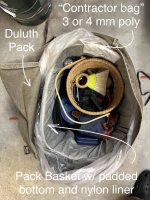
I've been using both on my trips. Re:CCS, I made a nylon liner that goes inside the regular Duluth plastic liner so the plastic doesn't get stressed. I haven't submerged a pack, but I've had them out in torrential rains and things stayed dry (as well as my big dry portage pack)
. I've had a couple of small leaks in my dry portage packs--one warranteed, the other due to baggage handlers (an old pack). Neither leak was problematic as I have most of my stuff in either nylon stuff sacks or lightweight nylon roll top dry bags. I air out my bags daily.
 
I use plastic bag sold by Duluth Pack inside a canvas Duluth Pack for clothes, sleeping bag, and anything else that I need to keep dry. I used to use two plastic bags per canvas Duluth Pack but have since gone to one plastic bag. I have patched the plastic bags inside and out with duct tape with good success when needed.
I do use two small Sealine bags inside a Duluth Pack canvas backpack for food. Each night I drop the Sealine bags along the shoreline in opposite directions of camp which has worked well for me.
 
Back
Top Bottom