Bunch of dam stuff. I spent 27 years in the Pacific Northwest, and have lived the last dozen or so in CT.
Someone asked about how long it takes for a river to recover from a dam removal -
In 2005 or so, I did an art project for a Sandy River dam removal project. The Sandy drops of of Mt. Hood into the Columbia River... downstream of the lowest Columbia River Dam. At that time the experts did not know how long it would take for the river to return to a natural state. They estimated several months to a couple years. It reverted to a braided mountain river in 3 weeks!. Salmon returned with the first possible run. The trout guys at Western Rivers Conservancy were pretty happy.
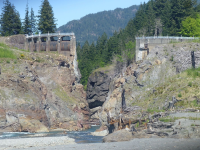
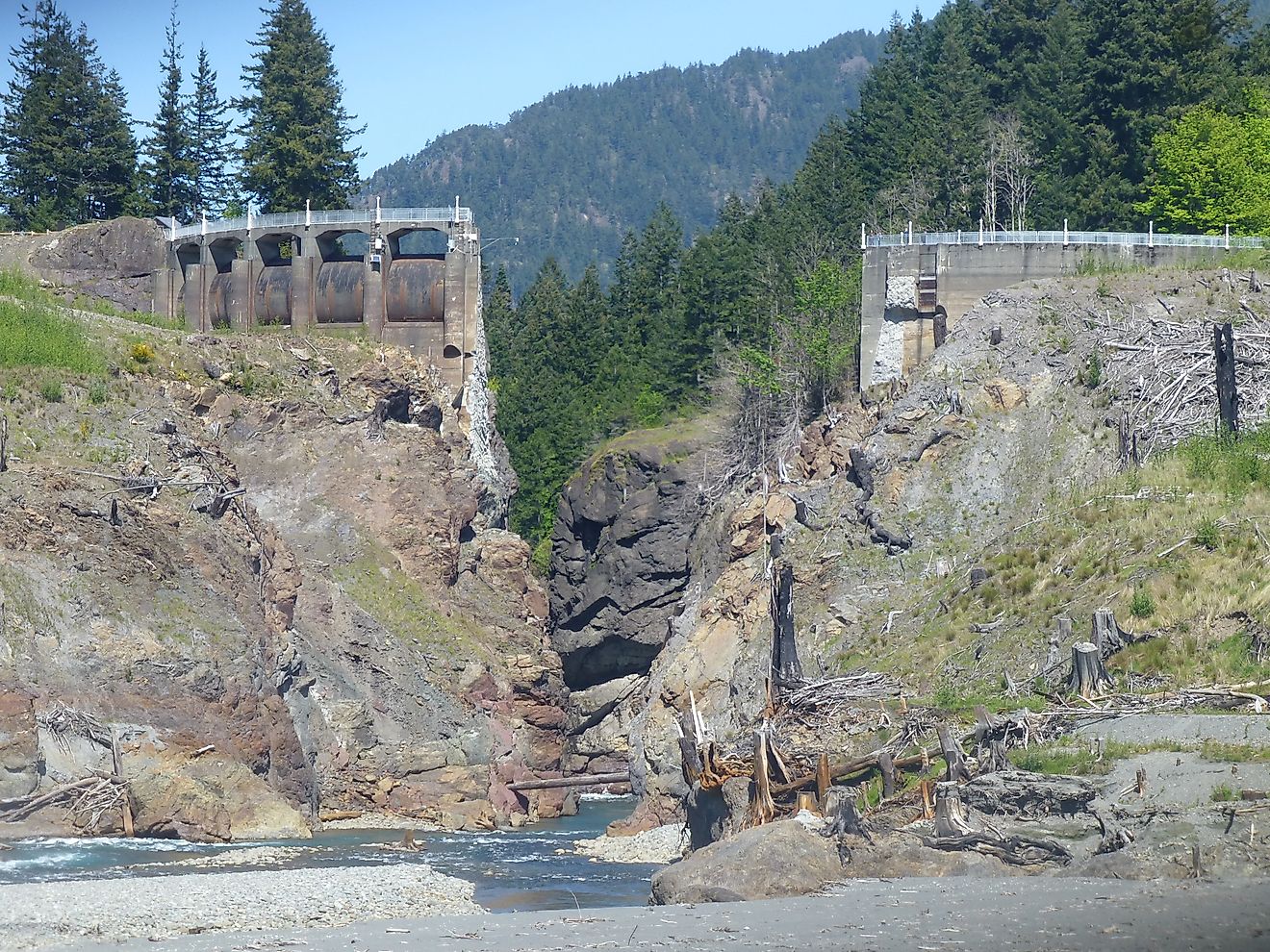
I recommend reading about the Elwa Dam removals on your own. The process before, during, and after, was well documented.
The Columbia river runs 1500 miles from the Canadian Rockies to the Pacific. Grand Coulee Dam is near the midpoint and it has no fish ladders or any other bogus fisheries aids. So, when it went in in the 1930's, half of the river and all of the tributaries in that upper half ceased being salmon habitat. I remember looking at salmon count data matched with construction dates of Columbia River Dams and noticing that about 7 years after a new dam was completed, there was a step drop in salmon returns. 7 years is how long wild Pacific salmon stay in the ocean before returning to spawn. The surviving salmon run is a drop in the bucket of what it should be.
I canoed the Yakima River in 2010 and researched the stuff I noticed. The Yakima has several (I think 7) dams, which are mostly diversion dams for irrigation (with one that also generates a little power). The Sunnyside Dam is the very first dam that the Bureau of Reclamation built). Salmon counts in the early 1900's were about 900,000 fish for the year - 3 different varieties. The authorities are pretty stoked if they get 25,000 fish for the entire year, and the summer Chinooks are extirpated because irrigation draws and returns raises the river temperature above 20C, the point were salmon won't enter. They traded salmon for agriculture. If you eat Washington grown Apples, Peaches, Cherries there is more than a 50% chance that it came out of the Yakima. There is a 70% chance that the hops in your beer came from the Yakima. THe dams all have salmon ladders at this point, but they still have to clear 5 or 6 Columbia River dams to get into the Yakima.
Connecticut has over 4000 dams. Some (maybe most) of the pre-steam era are on ridiculously small brooks - (If you haven't seen the remains of the Parmalee Sawmill Dam ca 1855 on the East River in Guilford... kind of amazing that they built a 10 ft hig, 60 ft long stone dam for a brook that you can step across in the rainiest weather). Even the big CT dams are puny vs a western dam. Most of the ones we come across as canoeists are in place as a power source, or to preserve lakeshore property values. Our fish status is so goofed up with 300 years of overfishing and pollution that people aren't aware that the dams continue to interfere with migration of shad, lamprey and freshwater mussels and others (I'm not remotely a fish guy).
And as
eckilson points out, Rhode Island has some of the most creative dam removal that I've seen in Bradford. I talked to a RIDEM guy one day and they're planning to do something similar at the next dam downstream from there.
LAST POINT -When a dam is removed, the natural state of that river might not be the free flowing stream that we see. In many cases the natural state of a large number of rivers was to be flowing into a beaver marsh or meadow.


 www.worldatlas.com


