• Happy International Museum Day!🏛️ 🖼️🏺

Canoe Identification

No loon works ;)
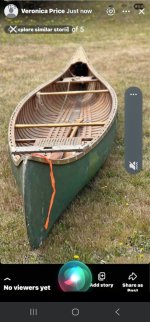
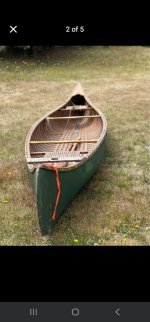
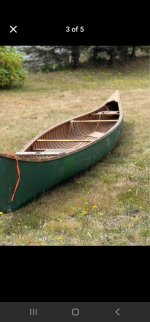
It looks like a rugged work vessel.
I guess long portages are not enjoyfull.
If there is no rot or broken parts and you have good storage it can be great to paddle for decades
 
See those white spots on the gunnels, that sure looks like the canoe was used in salt water and the brass screws reacted to the salt, bleaching the wood, hard to remove satisfactory. Normally the tacks holding planks show the same damage but since it was built during WW11 they no doubt used steel tacks, another reason to pass. Plus the front thwart is just behind the bow seat, that would have to be addressed if you wanted to solo from the front seat, canoe reversed. Check out Mike Elliot in BC, he can set you up with a good wc canoe.
 
See those white spots on the gunnels, that sure looks like the canoe was used in salt water and the brass screws reacted to the salt, bleaching the wood, hard to remove satisfactory. Normally the tacks holding planks show the same damage but since it was built during WW11 they no doubt used steel tacks, another reason to pass. Plus the front thwart is just behind the bow seat, that would have to be addressed if you wanted to solo from the front seat, canoe reversed. Check out Mike Elliot in BC, he can set you up with a good wc canoe.

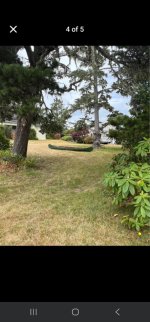
The canoe is located on the Long Beach Peninsula in Washington State. It has very likely been used in Willapa Bay. I see what appears to be makeshift sail thwart. Dingy sailing/racing used to be a popular sport out of Oysterville in Willapa Bay.
Someday I would like to experience a WC canoe. As of now, I dont have a good place to store one.
 
Back
Top Bottom