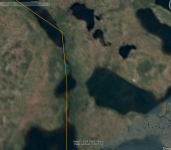
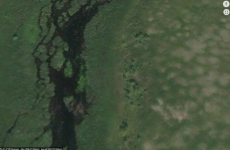
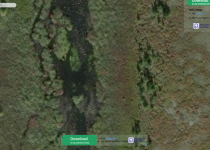
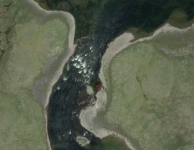
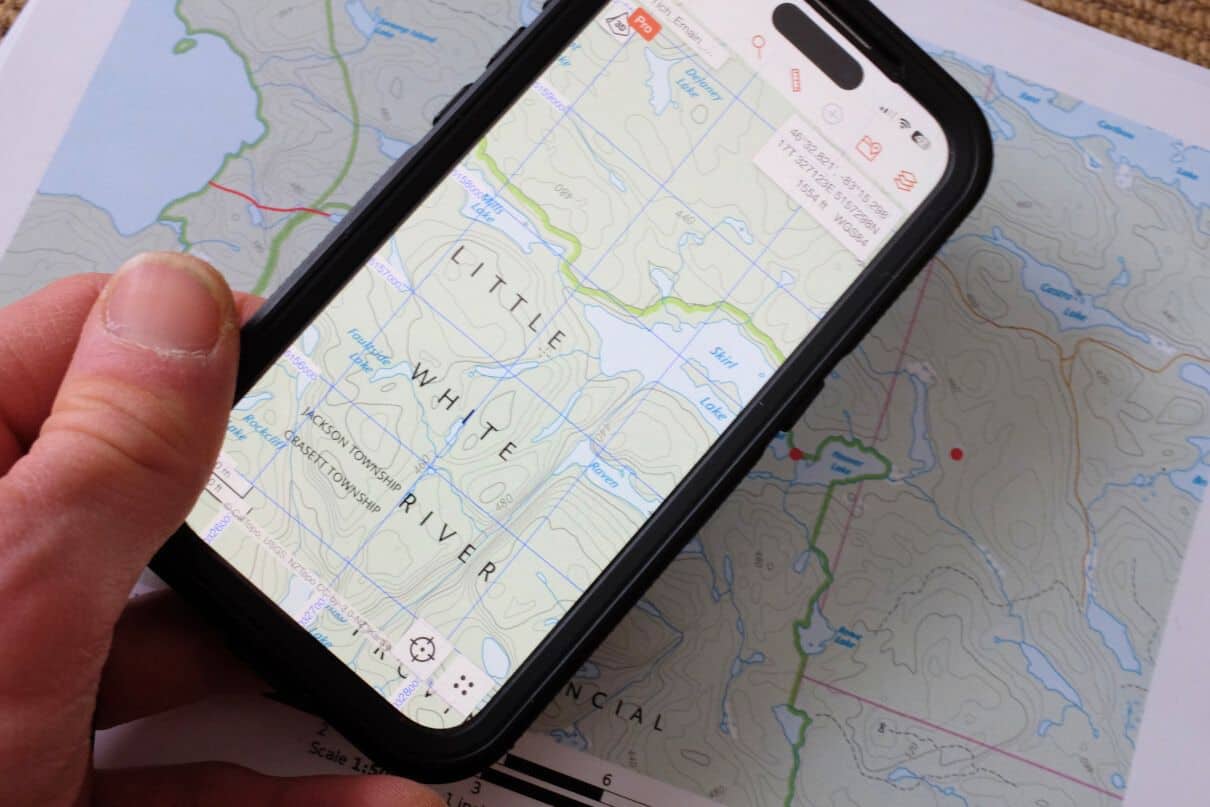
I use printed maps almost exclusively for onsite navigation. A standalone GPS is used only for lapses of befuddlement. However I'm currently planning a long trip in Nunavut for this summer. For this planning, I've recently started using CalTopo (on my desktop), as one of the other paddlers has some background in it and he's already got a rough plan outlined in it. I loaded that into Google Earth, which shows the path nicely. The idea is to thoroughly preview the route to get an estimate of the amount of time it'll take us (mileage, portages), as well as look at other potential setbacks. One of the rivers we'll be going on is very low volume, and SatellitesPro (which seems to have Apple Maps installed) provides much more detail than Google Earth. This will help enormously in evaluating whether the river is navigable. It also provides sufficient detail for rapids, much more so than Google Earth. I'll be continuing with CalTopo, and might be able to give some more comments in the future.
A little bit of befuddlement is good for the soul. And for improving your navigation skills. Never fear. When I was much much younger, my dad would take me deer hunting and he had favored spots for me to sit while he went another way to get deer to move to me. Anyway, after I learned his route and favored places to wait, he always told me that if I get "mixed up" (never lost), to sit on a log, eat half my sandwich and figure out how I lost my track of the known landscape clues along the way. Soon enough after glancing at the map and compass and what is around me, I would figure it out. I have followed that advice ever since. I never feared being in that learning situation no matter where I was. My joy in traversing off trail in the wilderness is the navigation process itself and I have never forgot the advice from my dad. It has always been worked for me. I have always felt that I learn much more on my backwoods treks (and remember more) when I make a mistake and then correct it, rather than when everything in the trip goes perfectly all day.
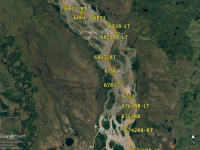
When I planned my best guess Yukon River canoe race route, I used Google Earth to plot waypoints at each turn ( 3 points/sweeping turn), bend, and island passage in the river, along with potential optional decision shortcuts. I transferred all to an Excel spreadsheet for calculation of distance from start (in tenths of a mile) and direction between each and labeled each point with the same, Each spreadsheet point had an estimated arrival and finish time calculated for update by my pit crew, updated from intermediate actual point arrival times. 798 waypoints for the Y1K race. then transferred all into a hand-held GPS to mount in the canoe, and also back into GE to print in ~10-mile segments, waterproofed the paper pages and put in plastic sleeves in a binder. Based on gained experience, I improved the process and route for each year of the 5 years of racing I did there. Played in "fly mode" on a big screen from GE for weeks before the race while working out on a canoe paddling machine along with epic genre style music, I memorized most of each segment of the route to match reality.
Existing topo maps of the Yukon area are so outdated to be dangerously useless. The river channels and gravel shoals and islsnds can change significantly from one year to the next. Even Google Earth maps can be a confusing mess if they are more than a. year or two old.
Yukon flats segment near Circle, Ak. Miles listed in tenths from Whitehorse. Upcoming turns indicated as LT, RT, RB=right bank.


 paddlingmag.com