
I think “advanced canoe paddling techniques” should cover it. Or “ beyond the basics”



I very much want to see "Canoe Dig It?" now that I know @Marc Ornstein was involved.
 www.samuelfddunning.com


Good point, Marc, and one I was going to add to my previous post after thinking about it some more. Naming ends up being a matter of semantics: FreeStyle or Sport, they both conjure up images of something other than everyday canoeing. I think the unfortunate aspect of promoting advanced canoeing, much like advanced driving, is that people are reluctant to invest the time (and often money) to become proficient if they aren't going to paddle a sport canoe or drive a sports car. Changing the name from FreeStyle to Sport isn't going to change the paradigm. It's too bad that there aren't enough instructors such as yourself and the rest of the FreeStyle cadre to put on local mini-events and join retailer events to teach and promote canoeing and encourage people to attend a symposium or workshop.Of greater concern is that although the name, FreeStyle Canoeing, has the limitations that have been previously expressed, many folks have some concept of it and a major rebranding could create confusion of it's own. Many products/companies have, throughout history, made serious rebranding errors that cost them existing customers without attracting sufficient new ones.
That video has me really wanting to get back on the water! I haven't paddled since last September when I tore my rotator cuff lifting my old heavy blue monster canoe; my new to me Explorer is waiting patiently in the shed. PT is going well so soon...I suppose this is an example of "functional freestyle" although there seems to be a bit of the interpretive stuff mixed in.

Sport canoeing has been used in the past and I think it's time to resurrect that term. I like the term "sport" because, as I posted earlier in this thread, it's quite similar to a sports car navigating a twisty section of road. A sports car is the vehicle of choice in the same way a sport canoe is on a narrow, twisty stream.
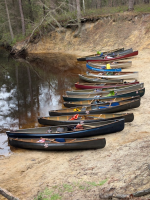
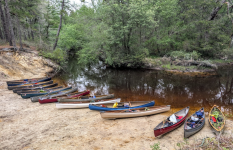

Good paddling techniques and skills are good no matter the venue.
Just call it “Mason Style.”
His style of paddling, though highly effective was, in many ways dissimilar to the techniques taught in freestyle.


